
"Harar G4"
200 article(s) found
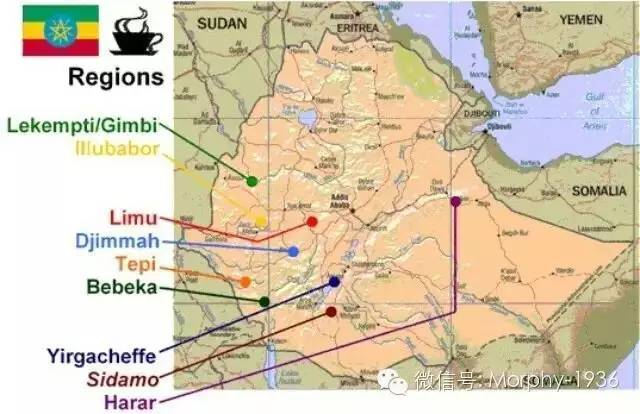
Introduction of boutique coffee beans Ethiopian coffee
Ethiopia is the hometown of Arabica coffee, and it is in the forests of Kaffa that you can see wild Arabica coffee. In Ethiopian, coffee is called Bun or Buna, and coffee beans (coffeebean) may be translated from Kaffa Bun. Arabica coffee was discovered early in the Harald area, probably from Kafa.

You may not know this about Ethiopian coffee.
Ethiopia is known as the birthplace of coffee. There is such a custom in Ethiopia. No matter how poor people are, they must have a coffee pot and a charcoal stove. Why? Because the local people think that coffee is what they have to make every day, because they think chemical fertilizer is very expensive, so they never use chemical fertilizer. Then this coffee is brewed.
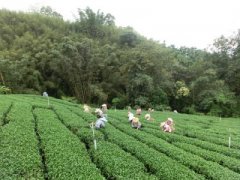
A brief introduction to the Market Price of Fine Coffee Bean varieties in the Sweet and lovely Ethiopian Coffee Manor
Yirgachefe Coffee this coffee grows in areas ranging from 1500 to 2200 meters above sea level. This coffee is washed in a clear stream, carefully selected by hand and exposed to plenty of sunshine. The taste is unique; the fruit is medium-sized, comparable to Mocha. The taste is mellow, the charm is unique, it gives people a fresh feeling, and the market prospect is optimistic. According to estimates, in 4200

Flavor characteristics of Ethiopian Fine Coffee Ethiopian Coffee
Ethiopia is the hometown of Arabica coffee, and it is in the forests of Kaffa that you can see wild Arabica coffee. In Ethiopian, coffee is called Bun or Buna, and coffee beans (coffeebean) may be translated from Kaffa Bun. Arabica coffee was discovered early in the Harald area, probably from Kafa.

Introduction to the Variety characteristics of Coffee Flavor description treatment method in Yega Ficher Manor, Ethiopia
Yega Chuefei Cochel Manor introduces Yega Chevy Coffee, which seems to be more blessed with favorable conditions. it has a floral aroma, bright citrus acidity, lemon flavor and soft taste. Kochere Cochrane is located in the southwest of Ethiopia, about 25 miles to the north, that is, the famous Yega Chenophen. The mode of production is small-scale production.

Description of Coffee Flavor in Yega Fichel Manor; introduction to the characteristics of varieties and producing areas
Kochere Cochel is located in southwest Ethiopia, 25 miles to the north is the famous town of Yega Chefen, the production mode is mainly based on local small farmers to send the output batches to the cooperative for unified treatment. About 100000 people in the local village of Chalalacktu depend on coffee for a living, and related production activities become him.

Flavor description of Ethiopian Coffee Manor introduction of High-quality Coffee beans in producing areas
In February 1977, Lieutenant Colonel Mengistu Haier Maryam (MENGISTU HAILE MARIAM) launched a military coup and served as Chairman of the interim military Administrative Council and head of State. In 1979, the Ethiopian Labor people's Party Organization Committee, dominated by soldiers, was established to implement an one-party system. In 1984, the Ethiopian Workers' Party was formed according to the Soviet Communist Party model. Mengistu, September 1987

Introduction to the flavor description of sweet and sour Ethiopian coffee beans, the characteristics of taste and quality, grinding scale
Ethiopian coffee variety flavor description, taste and quality characteristics grinding scale introduces exactly how many Arabica subspecies there are in Ethiopia, even the official research unit of Ethiopia does not know. The coffee cooperatives in this mountain are certainly different from those planted in another mountain, and even small farmers in the same region grow different varieties of coffee. Some estimate that Ethiopian coffee is at least

Flavor description of Ethiopian Sidamo Lion King Coffee beans introduction to the taste of grinding scale varieties
Flavor description of Ethiopian Sidamo Lion King Coffee is Ethiopia's most important export cash crop and a major source of foreign exchange earnings. Ethiopia's coffee exports account for about 3% of the world market, making it the eighth largest coffee exporter in the world. Coffee exports increased steadily from 58000 tons in 1990 to 1995-1996.

Introduction to the grinding treatment method for the flavor and taste characteristics of coffee brands in Ethiopia
Ethiopian Coffee Flavor treatment Variety characteristics growing in Western Ethiopia 4900-5900 feet (Wollega province) plateau, north of Jima, mostly wild, annual output is about 500000bags/60kg, export to G5/G4, bean body is larger and longer than Longberry, a little brown in green, taste similar to less jasmine tea, more bitter, lack of rising Hara, slightly sour
Introduction to Ethiopian Coffee, the hometown of Arabica Coffee
Ethiopia is the hometown of Arabica coffee, and it is in the forests of Kaffa that you can see wild Arabica coffee. In Ethiopian, coffee is called Bun or Buna, and coffee beans (coffeebean) may be translated from Kaffa Bun. Arabica coffee was discovered early in the Harald area, probably from Kafa.

The causes and characteristics of the desolation of coffee forests in Ethiopia an introduction to the grinding scale of manor production areas
The reasons for the desolation of coffee forests in Ethiopia; the grinding scale of manor production areas; Getachew Mengistie, director of the Ethiopian Bureau of intellectual property, bluntly pointed out that farmers sell raw beans for $1.45 per pound, while Starbucks sells for $26 per pound in the United States, an 18-fold difference between the two places. The reason is that Ethiopia does not know to use intellectual property rights to create for farmers.

Sidamo Coffee Flavor taste the characteristics of the manor producing area Sidamo Shakiso coffee boutique coffee beans
Growing in western Ethiopia, 4900-5900 feet (Wollega province) plateau, north of Jima, mostly wild, annual output is about 500000bags/60kg, export is mostly G5/G4, bean body is larger and longer than Longberry, a little brown in green, taste similar to less jasmine tea, more bitter, lack of rising Hara, slightly sour, slightly fruity and wine aroma, but slightly inferior to Hara.

Ethiopian coffee introduction Ethiopian coffee beans exquisite coffee beans and introduction
Ethiopia is the hometown of Arabica coffee, and it is in the forests of Kaffa that you can see wild Arabica coffee. In Ethiopian, coffee is called Bun or Buna, and coffee beans (coffee bean) may be translated from Kaffa Bun. Arabica coffee was discovered early in the Harald area.

Introduction to the regional treatment method of taste production in BISHAN flavor description of hambela Manor in Ethiopia
Introduction to the Regional treatment method of BISHAN Flavor description of hambela Manor in Ethiopia in Ethiopia, the grading and quality control system of coffee is divided into three levels: producer, regional and national. All coffee is inspected by local inspection agencies before leaving the country of origin, and then re-inspected at the coffee inspection and grading centers in Addis and Diredawa to determine its quality, etc.

How much do you know about the coffee producing areas in Ethiopia?
Following caf é (Wechat official account vdailycom) found that Beautiful Cafe opened a small shop of its own. What else is there besides Yega Xuefei, the coffee producing area of Ethiopia? Ethiopia, an ancient country on the African continent, is the hometown of Arabica coffee. It is in the forests of the Kaffa region that you can see wild Arabica coffee. Coffee is in Ethiopia.

Ethiopian Coffee introduction Coffee beans Coffee processing Coffee Flavor Ethiopian Coffee details
Ethiopia is the hometown of Arabica coffee, and it is in the forests of Kaffa that you can see wild Arabica coffee. In Ethiopian, coffee is called Bun or Buna, and coffee beans (coffeebean) may be translated from Kaffa Bun. Arabica coffee was discovered early in the Harald area, probably from Kafa.

Ethiopian boutique coffee introduces boutique coffee beans characteristics of Ethiopian boutique coffee
Ethiopia is the hometown of Arabica coffee, and it is in the forests of Kaffa that you can see wild Arabica coffee. In Ethiopian, coffee is called Bun or Buna, and coffee beans (coffeebean) may be translated from Kaffa Bun. Arabica coffee was discovered early in the Harald area, probably from Kafa.

An introduction to the origin of coffee-- characteristics of Ethiopian coffee taste
Ethiopia is the hometown of Arabica coffee, and it is in the forests of Kaffa that you can see wild Arabica coffee. In Ethiopian, coffee is called Bun or Buna, and coffee beans (coffeebean) may be translated from Kaffa Bun. Arabica coffee was discovered early in the Harald area, probably from Kafa.

Ethiopian Coffee Flavor description introduction of High-quality Coffee varieties in producing areas
Ethiopia is the birthplace of the famous Arabica coffee beans, and people have always maintained the tradition of harvesting wild coffee beans. The coffee garden at an altitude of more than 1500 meters has formed a unique coffee style after thousands of years of evolution and adaptation. Ethiopian coffee grown in the natural wild environment is called wilderness coffee, which retains the most primitive and natural taste of coffee beans.